One method used to help patients unwind and feel more at ease during dental operations is sedation dentistry. For those who suffer from dental anxiety, dread, or discomfort, it is really helpful. Patients can get the care they require without the anxiety that frequently accompanies dental appointments thanks to the variety of sedation alternatives available.
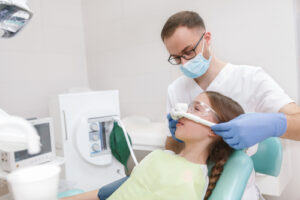
Depending on the level of sedation utilized, sedation dentistry involves giving patients medication that produces a soothing effect that can range from deep sleep to mild relaxation. Minimal, moderate, and deep sedation are the three most popular forms of sedation. Because each variety delivers different levels of consciousness, the dentist can modify the sedation level according to the treatment and the patient’s comfort level. This group offers sedation if you need it: https://versaggidental.com
Nitrous oxide, also referred to as laughing gas, is frequently used to provide a minimal level of sedation, which allows the patient to feel calm but still be completely conscious and able to follow the dentist’s instructions. The patient is put in a more relaxed condition by moderate sedation, which is typically given by oral drugs. They may feel sleepy or perhaps fall asleep, but they are still easily roused. Although deep sedation, which is frequently administered intravenously (IV), makes the patient all but comatose, it is easily reversible after the treatment is finished.
One of the main benefits of sedation dentistry is that it makes it possible for people who might otherwise put off getting dental care because they are afraid or anxious to get the care they need. More serious oral health issues may result from those with dental phobias skipping regular examinations or delaying treatment. By helping patients feel at ease and relaxed, sedation dentistry offers a solution that makes it simpler for them to keep up their best oral health and attend routine checkups.
The ability to do lengthier, more intricate operations in a single visit is another advantage of sedation dentistry. Sedation can help patients who need lengthy dental procedures, such many fillings, root canals, or extractions, stay calm and peaceful during the process. In addition to making the patient’s experience better, this can minimize the need for repeated visits, saving time and causing the least amount of disruption to their daily routine.
Patients who have trouble staying motionless during treatment or who have sensitive gag reflexes may also benefit from sedation. It could be difficult for people with these problems to have dental procedures done in a comfortable manner. They can stay calm and motionless under anesthesia, which facilitates a more seamless and effective process for the patient and the dentist.
To find the appropriate sedation technique for their requirements, anyone thinking about sedation dentistry should speak with a dentist. In order to provide a suitable sedation alternative, dentists will evaluate the patient’s medical history, the intricacy of the treatment, and the degree of anxiety. Sedation is usually safe, but to guarantee a safe and successful experience, patients should adhere to pre-treatment instructions and disclose any worries or health concerns.
To sum up, sedation dentistry offers a useful choice for people who are afraid of the dentist or need complicated dental work done. Sedation dentistry makes it possible for patients to get the care they might not otherwise receive by promoting relaxation and comfort. Sedation dentistry provides a means of making dental visits as efficient and stress-free as possible, whether they are for a comprehensive treatment or a routine cleaning.
