Author: mda (page 1 of 1)

An Understanding of Dentures

Dentures are detachable dental devices intended to replace lost teeth and improve your smile’s functionality and look. Dentures provide a workable way to restore speech, chewing ability, and general oral health, regardless of whether you lost teeth as a result of aging, trauma, or other oral health problems. Dentures, whether whole or partial, can greatly enhance a person’s quality of life if they are lacking teeth.
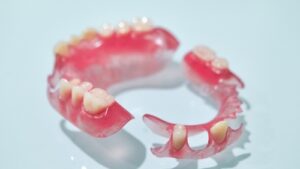
When every tooth in the upper or lower jaw is lost, full dentures are utilized. They are made up of an entire set of prosthetic teeth put on a gum-colored acrylic foundation that covers the gums. When only a few teeth are lost, partial dentures are utilized to cover the spaces without removing healthy teeth. Usually, clasps or precise attachments are used to hold partial dentures in place by fastening them to natural teeth.

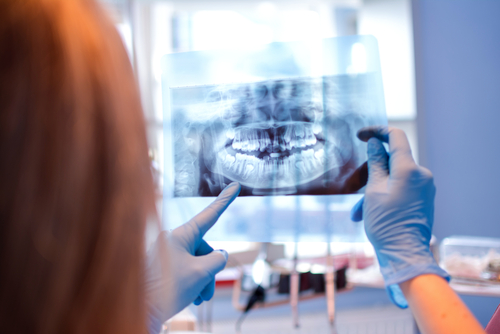
A comprehensive consultation with a dentist at fraserdentistry.com is usually the first step in the process of receiving dentures. The dentist will examine your mouth, take impressions, and talk with you about how you would like your dentures to look. A smooth, natural-looking outcome is guaranteed with custom-made dentures, which are created to match the color and shape of your real teeth.

To guarantee comfort and appropriate operation, the dentures are meticulously fitted and adjusted once they are manufactured. Minor changes may be required to improve fit and comfort, and it may take some time to become used to wearing dentures. Modern dentures are a popular option for people trying to repair their smile since they are made to be more lightweight, strong, and natural-looking than ever before.

Dentures not only enhance speech and appearance but also aid in the restoration of chewing capacity, which enables people to eat a greater range of foods. Most wearers eventually become used to their new dental device, albeit it may take some time, particularly when it comes to speaking or chewing. With routine cleaning and sporadic modifications to keep them in top shape, they are very simple to maintain.

Although dentures provide many advantages, there are certain things to keep in mind. The loss of bone and gum tissue over time may cause your mouth to change form, which may have an impact on how well your dentures fit. To make sure your dentures continue to fit and work correctly, you must see your dentist on a regular basis. If your dentures become loose or unpleasant over time, your dentist might also suggest relining or remaking them.

Implant-supported dentures are an additional choice for people looking for a more long-term solution to lost teeth. Dental implants hold these dentures in place, providing more stability and doing away with the need for adhesives. Patients with adequate jawbone density may find implant-supported dentures to be a good option since they can increase overall comfort and chewing efficiency.

Dentures offer a practical and reasonably priced solution for people who are missing teeth, even if they may take some time to get used to. They not only restore your teeth’s functionality but also your confidence and clear communication skills. It’s crucial to speak with a dentist if you’re thinking about getting dentures so they can help you choose the best solution for your needs and walk you through the procedure.

To sum up, dentures provide a dependable and adaptable option for people who are missing teeth. These dental devices can improve your smile, oral health, and self-esteem, regardless of whether you require complete or partial dentures. Dentures can offer a long-lasting solution that lets you enjoy life with a comfortable, healthy smile if you take good care of them and maintain them on a regular basis.
 

The Importance of Dental Implants

Dental implants are a popular and effective solution for replacing missing or severely damaged teeth. Unlike traditional dentures or bridges, which rely on adjacent teeth for support, dental implants are anchored directly into the jawbone, providing a permanent, natural-looking replacement that restores both function and aesthetics.

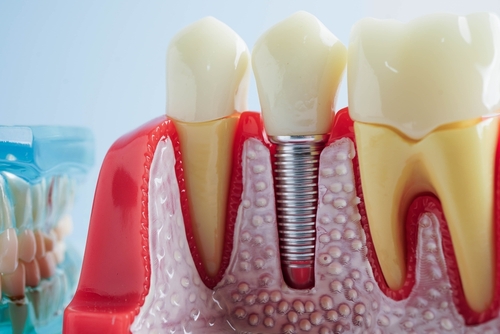
A dental implant consists of three parts: a titanium post, an abutment, and a crown. The titanium post is surgically inserted into the jawbone, where it fuses with the bone through a process called osseointegration. This provides a stable foundation for the abutment, which connects the implant to the crown, the visible part of the replacement tooth. The result is a tooth that looks and feels just like a natural one, offering significant improvements in appearance, comfort, and functionality.

One of the primary benefits of dental implants is their durability. With proper care, implants can last a lifetime, making them a long-term investment in dental health. Unlike dentures, which may need to be replaced or adjusted over time, dental implants remain securely in place, eliminating the need for adhesives or worries about slipping. This makes them a popular choice for patients looking for a reliable and low-maintenance solution.

Dental implants also help preserve the health of the jawbone. When a tooth is lost, the underlying bone can begin to deteriorate due to lack of stimulation. Implants mimic the natural function of a tooth root, stimulating the bone and helping to maintain its structure. This prevents bone loss and preserves the integrity of the facial structure, avoiding the sunken appearance that can occur with missing teeth.

In addition to their functional benefits, dental implants offer significant aesthetic advantages. Because they are designed to blend seamlessly with natural teeth, implants provide a beautiful, realistic-looking smile. The custom-made crowns are matched to the color, shape, and size of your existing teeth, ensuring that the implant is virtually indistinguishable from the rest of your smile. This boosts confidence and enhances overall facial aesthetics.

For individuals with missing teeth, dental implants can improve the ability to chew and speak. Without teeth, chewing can become difficult, and speaking clearly may be a challenge. Implants restore full function, making it easier to enjoy a variety of foods and communicate without worry.

Additionally, dental implants are easy to care for. Since they are secured in the jawbone, they require no special cleaning beyond regular brushing and flossing, similar to natural teeth. There’s no need to remove them for cleaning, and no need for messy adhesives, which is often the case with dentures. Regular dental check-ups and good oral hygiene are enough to keep the implants in excellent condition.

While the process of getting dental implants involves multiple steps and can take several months, the results are well worth the wait. After the titanium post is placed, a healing period of several months is required for osseointegration to occur, followed by the placement of the abutment and crown. While this timeline may seem lengthy, it ensures that the implant is fully integrated into the bone, providing a strong, lasting foundation for the replacement tooth.

Not everyone is a candidate for dental implants. Adequate bone density is required to support the implant, and individuals with certain health conditions, such as uncontrolled diabetes or active gum disease, may need to address these issues before proceeding with treatment. However, advances in implant technology and procedures have made it possible for many patients, even those with bone loss, to receive implants with the use of bone grafting or other techniques.

In conclusion, dental implants are a highly effective and durable solution for those seeking to replace missing teeth. They offer numerous benefits, including improved function, appearance, and long-term oral health. With their natural look and feel, dental implants provide a permanent, reliable alternative to traditional dentures and bridges, helping patients regain their confidence and enjoy a better quality of life. If you are considering dental implants, consult with your dentist to determine if they are the right choice for your needs.


The Advantages of Dental Sedation

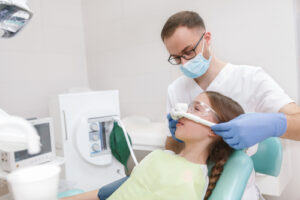
One method used to help patients unwind and feel more at ease during dental operations is sedation dentistry. For those who suffer from dental anxiety, dread, or discomfort, it is really helpful. Patients can get the care they require without the anxiety that frequently accompanies dental appointments thanks to the variety of sedation alternatives available.

Depending on the level of sedation utilized, sedation dentistry involves giving patients medication that produces a soothing effect that can range from deep sleep to mild relaxation. Minimal, moderate, and deep sedation are the three most popular forms of sedation. Because each variety delivers different levels of consciousness, the dentist can modify the sedation level according to the treatment and the patient’s comfort level. This group offers sedation if you need it: https://versaggidental.com

Nitrous oxide, also referred to as laughing gas, is frequently used to provide a minimal level of sedation, which allows the patient to feel calm but still be completely conscious and able to follow the dentist’s instructions. The patient is put in a more relaxed condition by moderate sedation, which is typically given by oral drugs. They may feel sleepy or perhaps fall asleep, but they are still easily roused. Although deep sedation, which is frequently administered intravenously (IV), makes the patient all but comatose, it is easily reversible after the treatment is finished.

One of the main benefits of sedation dentistry is that it makes it possible for people who might otherwise put off getting dental care because they are afraid or anxious to get the care they need. More serious oral health issues may result from those with dental phobias skipping regular examinations or delaying treatment. By helping patients feel at ease and relaxed, sedation dentistry offers a solution that makes it simpler for them to keep up their best oral health and attend routine checkups.

The ability to do lengthier, more intricate operations in a single visit is another advantage of sedation dentistry. Sedation can help patients who need lengthy dental procedures, such many fillings, root canals, or extractions, stay calm and peaceful during the process. In addition to making the patient’s experience better, this can minimize the need for repeated visits, saving time and causing the least amount of disruption to their daily routine.

Patients who have trouble staying motionless during treatment or who have sensitive gag reflexes may also benefit from sedation. It could be difficult for people with these problems to have dental procedures done in a comfortable manner. They can stay calm and motionless under anesthesia, which facilitates a more seamless and effective process for the patient and the dentist.

To find the appropriate sedation technique for their requirements, anyone thinking about sedation dentistry should speak with a dentist. In order to provide a suitable sedation alternative, dentists will evaluate the patient’s medical history, the intricacy of the treatment, and the degree of anxiety. Sedation is usually safe, but to guarantee a safe and successful experience, patients should adhere to pre-treatment instructions and disclose any worries or health concerns.

To sum up, sedation dentistry offers a useful choice for people who are afraid of the dentist or need complicated dental work done. Sedation dentistry makes it possible for patients to get the care they might not otherwise receive by promoting relaxation and comfort. Sedation dentistry provides a means of making dental visits as efficient and stress-free as possible, whether they are for a comprehensive treatment or a routine cleaning.


Comprehending Screening for Oral Cancer

One important preventative strategy is oral cancer screening, which looks for indications of cancer or precancerous diseases in the mouth. Since oral cancer frequently goes undetected in its early stages due to modest symptoms, early detection is essential to improving treatment results and survival rates. Frequent screenings assist in spotting possible problems before they become major health issues.

A dentist or other medical expert checks the mouth, including the gums, tongue, cheeks, lips, and roof and floor of the mouth, as part of an oral cancer screening. Any odd lesions, lumps, discolorations, or sores that might point to the existence of cancer are looked for. During a standard dental examination, the process usually takes only a few minutes and is painless.

A history of oral cancer, heavy alcohol use, tobacco use, and exposure to the human papillomavirus (HPV) are some of the variables that can raise the chance of getting oral cancer. Higher-risk individuals have to think about getting screened more frequently. Routine tests are crucial for everyone, though, because oral cancer can strike anybody, regardless of risk factors.

To improve the screening procedure, certain dentists may employ cutting-edge technology in addition to the visual and physical examination. For instance, the fluorescent light-using device VELscope aids in the detection of anomalies that are invisible to the human eye. Early detection of precancerous or cancerous tissues can be facilitated by this technology, enabling timely action.

The possibility of detecting oral cancer in its earliest, most curable stage is increased, which is one of the main advantages of oral cancer screening. Additional testing, such a biopsy or imaging investigations, might be carried out to confirm a diagnosis if any worrisome areas are discovered. More treatment options, including as surgery, radiation, chemotherapy, or a combination of these, become accessible the earlier oral cancer is discovered.

Early detection is still essential to getting the best results, even though the overall survival rate for oral cancer has increased recently. Maintaining routine dental checkups and discussing any issues with your dentist are crucial. It’s crucial to get expert help right away if you have ongoing symptoms, such as jaw or mouth discomfort, difficulty swallowing, or a mouth sore that doesn’t go away.

To sum up, screening for oral cancer is an easy yet crucial aspect of keeping your mouth healthy. Early detection of possible issues increases the likelihood of successful treatment and recovery. You can take preventative measures to protect your health by incorporating oral cancer screenings into your regular dental treatment.


The Advantages of Orthodontics

The dental specialty of orthodontics is the diagnosis, prevention, and treatment of misaligned jaws and teeth. It provides procedures that help maintain the best possible oral health in addition to making teeth and smiles look better. Knowing the advantages of orthodontic treatment can significantly alter your perspective on and approach to dental care, regardless of whether you’re thinking about clear aligners, traditional metal braces, or other orthodontic appliances.

More than just being aesthetically beautiful, a healthy smile is essential for general well-being. Crooked teeth or misaligned jaws can impact your ability to speak clearly, chew food correctly, and practice good oral hygiene. By bringing the jaws and teeth into alignment, orthodontics improves comfort and function. Resolving bite problems like crossbite, underbite, or overbite can lower the risk of gum disease and tooth decay as well as stop teeth from wearing down too much.

The increase in self-confidence that orthodontics provides is among its most important benefits. People who have crowded or crooked teeth may feel self-conscious and be reluctant to speak or smile in public. These problems can be resolved with orthodontic treatments, giving people greater self-confidence in their looks. A smile that has its teeth in the right alignment is healthier and more attractive, which enhances one’s sense of self.

For long-term dental health, orthodontics is also essential. It may be more difficult to properly clean teeth that are misaligned. For example, gaps between overlapping teeth may allow food particles and plaque to build up, raising the risk of gum disease and cavities. Teeth are moved into better positions with braces or aligners, which facilitates thorough tooth cleaning. As a result, the risk of tooth decay and gum disease is significantly reduced, and oral hygiene becomes more manageable.

In addition to improving oral health, orthodontics can also enhance overall facial appearance. The position of your teeth affects the symmetry and balance of your face. Misaligned teeth can result in a skewed or uneven appearance, while properly aligned teeth help create a more harmonious and attractive facial structure. For some people, orthodontic treatment can have a transformative effect on their appearance, giving them the smile they’ve always desired and improving the overall balance of their face.

Orthodontic treatments can also correct functional problems with the jaw. Misaligned jaws can lead to difficulties with chewing and speaking, as well as discomfort or pain in the jaw joints. By repositioning the teeth and jaws, orthodontics can help alleviate these issues, allowing for smoother chewing and clearer speech. In some cases, correcting jaw misalignments can also reduce headaches, neck pain, and other tension-related issues that arise from improper jaw function.

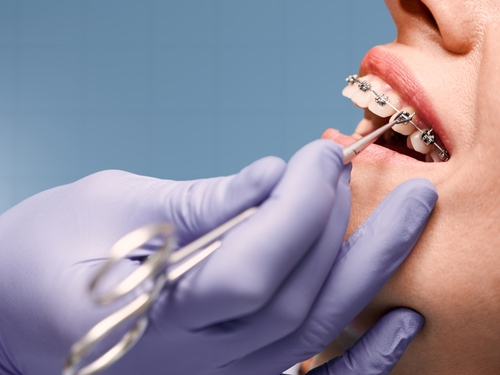
While traditional metal braces are still widely used, advancements in orthodontic technology have led to the development of a variety of treatment options. Clear aligners, for example, are a popular alternative to traditional braces, offering a discreet, comfortable, and removable option. These aligners are made of clear plastic, making them nearly invisible when worn, which is particularly appealing for adults and teenagers who may feel self-conscious about wearing braces. Clear aligners are custom-made to fit the teeth and gradually shift them into proper alignment over time, similar to traditional braces but without the wires and brackets.

For those with more severe orthodontic issues, traditional braces may be the most effective option. While they are more noticeable than clear aligners, they provide a higher level of control and precision in correcting complex dental problems. In some cases, braces may be used in combination with other orthodontic devices, such as retainers or expanders, to achieve the best possible results.

Regardless of the treatment option chosen, orthodontics is an investment in both the function and appearance of your smile. The benefits extend beyond just cosmetic improvements—properly aligned teeth and jaws lead to better overall health and well-being. Whether you’re seeking orthodontic treatment for aesthetic reasons or to correct functional issues, consulting with an orthodontist can help you determine the best course of action to achieve a healthier, more beautiful smile. With the right treatment plan, orthodontics can enhance not just your smile, but your life overall.